Sean and his coworker Ian were superb. They kept us in the loop from order to finish. Very amiable and highly skilled window and door fitters. We are extremely pleased with the finished result. Would highly recommend.
Jon Taylor
 Sean Cardwell Windows
Lock Repairs Experts
Trusted by over 1000 happy customers, we've provided premium quality windows to the South West for more than 28 years!
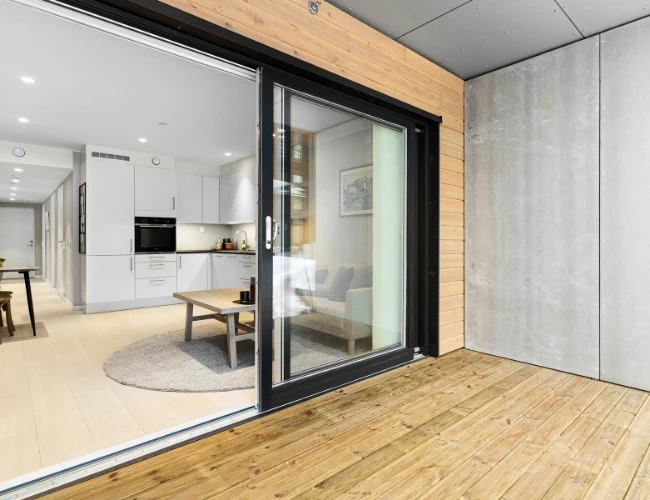
Window and door locks can develop a range of faults over time, from a stiff key that's becoming harder to turn, to handles that feel loose, to multipoint locking mechanisms that no longer engage all the locking points properly. In many cases, these issues can be resolved by repairing or replacing the specific failed component, such as the gearbox, cylinder, or keep, rather than replacing the whole door or window.
The right repair depends on the type of lock fitted and how the door or window operates. uPVC doors typically use multipoint locking systems that can wear unevenly, while traditional timber doors may use mortice locks that need different parts. We also look at whether the fault lies with the lock itself or with the alignment of the door or window, since a dropped or misaligned frame can cause locking problems even when the lock mechanism is otherwise sound, which sometimes points to a need for frame repairs alongside lock work. We carry out lock repairs across Highbridge, Weston-super-Mare and Yatton.
The type of door a lock is fitted to also affects how repairs are approached, since composite doors, timber doors, and uPVC doors each use slightly different hardware configurations, and matching replacement parts correctly is an important part of getting a lasting, smooth-operating result.
Replacement parts should always match the specific make and model of the existing mechanism as closely as possible, since mismatched components can cause a lock to feel stiff or operate unevenly even once fitted, undermining the benefit of the repair.
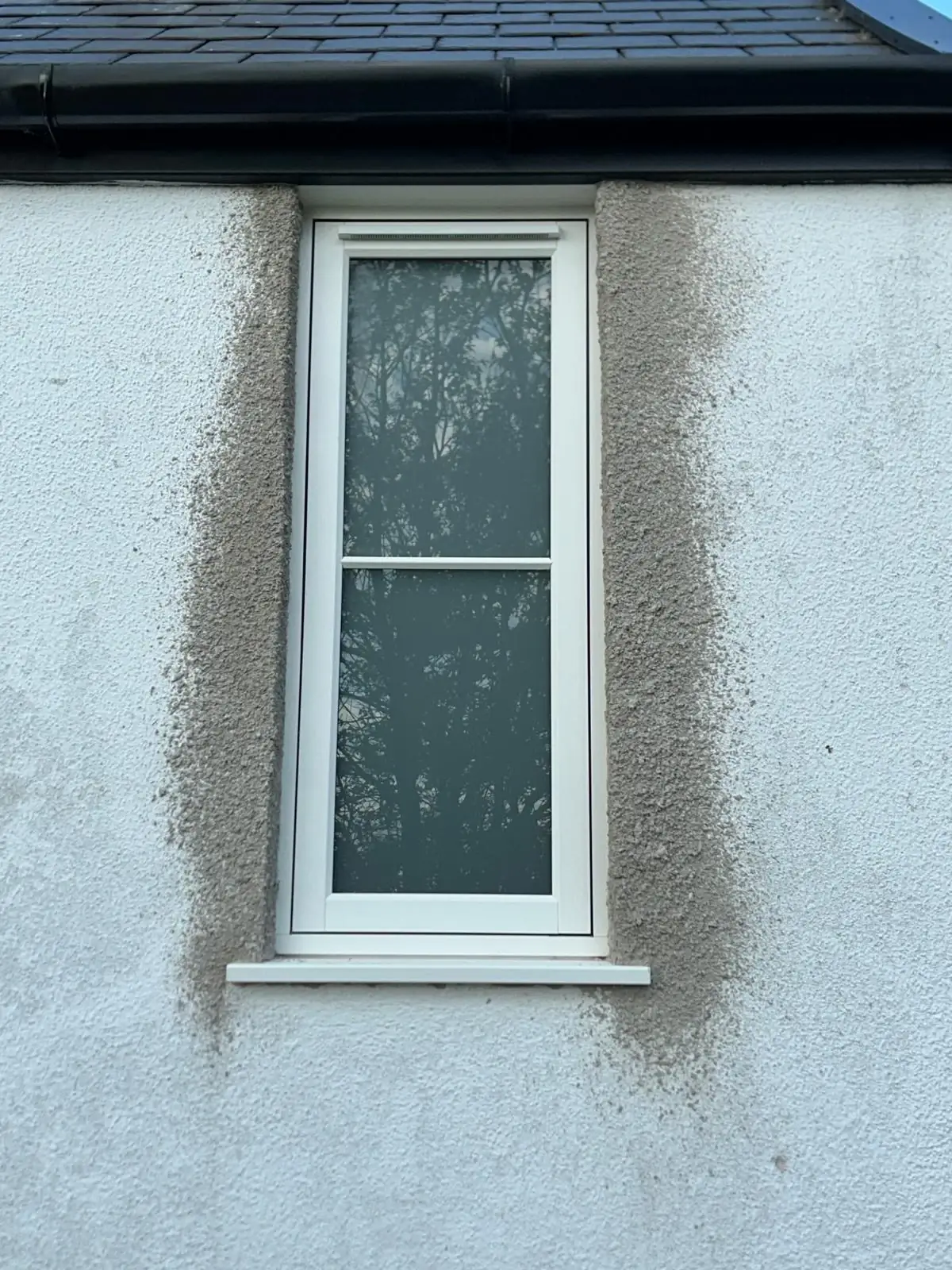
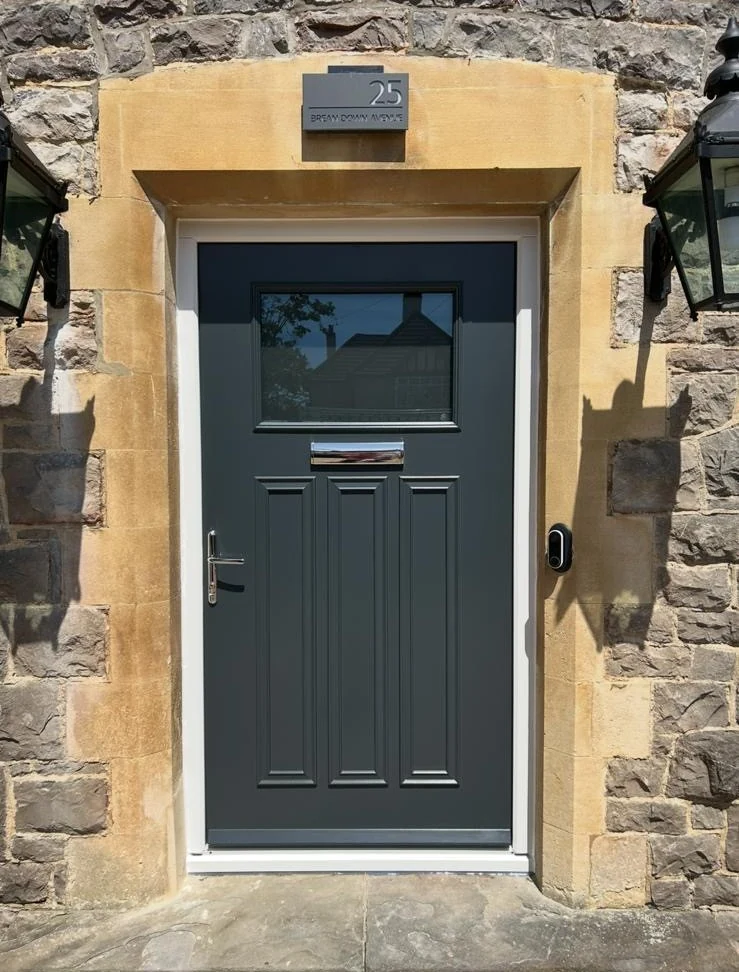
If a key becomes difficult to insert or turn, if the handle needs to be lifted or pushed in a particular way to lock the door, or if you hear grinding or scraping when operating the lock, these are all signs the mechanism is beginning to fail. A door that locks from outside but not inside, or vice versa, often indicates a specific component has worn out rather than the whole system failing at once.
Security is the other side of this. A door or window that doesn't lock securely, even if it still appears to close normally, leaves a property more vulnerable, so these issues are worth addressing as soon as they're noticed rather than left. This is particularly relevant where locks are connected to doors already showing other signs of wear, since problems with door frames and locking hardware often develop together over time.
It's also worth checking window locks and handles periodically, not just door locks, since these can develop the same kind of wear over time but are sometimes overlooked until a window becomes difficult to secure properly, particularly on windows that are opened less often than others in the home.
For properties with several external doors, it's worth checking that all locks operate to a similar standard, since a well-maintained front door lock paired with a neglected back door lock still leaves a weak point in the property's overall security.
A multipoint lock operates along the door edge, while the key cylinder and handles are separate components. Difficulty lifting the handle can come from misalignment or a worn mechanism, so replacing a cylinder is not automatically the answer. Window locks also need their fittings and closing position checked. Describe whether the key turns, the handle moves and the locking points engage; avoid forcing resistant parts.
Most uPVC doors use a multipoint lock: a long strip fitted into the door edge with a central gearbox and several hooks, rollers or bolts that engage the frame when you lift the handle. When the gearbox wears or a component inside it breaks, the handle may feel loose, refuse to lift or spin without moving the locking points. In those cases a door gearbox replacement can sometimes restore the lock without changing the whole strip. If the strip itself is damaged, or the door has been forced while locked, a full multipoint lock replacement is usually the better option.
A multipoint lock that is jammed is often a sign that the door has dropped or moved, so the hooks no longer line up with the keeps in the frame. Replacing the lock without correcting that alignment tends to bring the problem back. That is why a uPVC door lock replacement starts with checking how the door sits in its frame.
A broken door lock is not always a reason to replace the whole mechanism. A worn cylinder, a tired handle spring or a keep that needs adjusting can each be dealt with on their own. Where the gearbox has failed or parts are no longer available, door lock replacement is the practical route. Window lock repair follows the same thinking: check the handle, the locking cams and the keeps before deciding what needs changing.
If your door has dropped or will not lock at all, our page on dropped and non-locking doors explains the likely causes, and the uPVC door repairs page covers hinges, seals and other faults.
Explore: Double glazing repairs · uPVC door repairs · Door dropped or not locking · Window locks and restrictors · Anti snap lock upgrades
Usually because the door has dropped or moved so the hooks no longer meet the keeps, or because the gearbox inside the lock has worn. Avoid forcing the handle, as that can break the mechanism.
It depends on the fault. A failed gearbox can often be replaced on its own, while a damaged or obsolete strip normally means replacing the whole multipoint lock.
Yes. Window handles, locking cams and keeps can be checked and repaired or replaced where they no longer secure the sash properly.
Related repairs: uPVC Door Repairs in Weston-super-Mare · uPVC Door Dropped or Won't Lock? What To Do
A lock repair visit usually starts with testing how the door or window currently operates, identifying which component has failed, and then replacing or adjusting that part. Where the lock is integrated into a multipoint system, this can involve removing the handle and faceplate to access the gearbox, which is then swapped or repaired before everything is refitted and tested to confirm it locks and unlocks smoothly from both sides.
To keep locks working well afterwards, a light application of a suitable lubricant on moving parts every so often helps prevent stiffness, and it's worth avoiding forcing a key or handle if something feels tight, since this can cause further damage to the mechanism. If a lock becomes difficult to operate again after a repair, or a new issue develops, it's best to have it looked at rather than continuing to force it. Across our years working throughout the South West since 1998, keeping locks reliable has remained one of the most common and practical jobs we carry out for homeowners.
Weather exposure plays a role here too, since hardware on doors and windows facing prevailing wind and rain tends to wear a little faster than more sheltered openings, so it's worth paying closer attention to these when checking locks around the property.
Before a visit, explain whether the fault occurs with the door open, closed or both. A mechanism that works freely while open but resists when shut may need alignment checked, whereas a key that binds in either position suggests a different area to investigate. These observations are clues, not a diagnosis. Do not remove security hardware or repeatedly force the key to prove the problem. If you cannot secure the opening, make that clear when enquiring rather than assuming a routine visit will address an urgent situation.
A repair quotation depends on the type of mechanism, availability of compatible parts, underlying alignment and the condition of the frame. Replacing a cylinder alone will not correct every multipoint locking fault. Some openings also need remedial adjustments to restore smooth operation. Once work is complete, ask to see the handle, key and locking points operated normally, then keep any supplied keys and maintenance instructions together. Report renewed stiffness promptly instead of compensating with extra pressure.
This usually points to a specific fault within the multipoint locking gearbox or a misalignment between the door and the keep, rather than a problem affecting the whole mechanism, and is often repairable.
Yes, in most cases the cylinder can be replaced independently of the handle, provided the correct size and type of cylinder is fitted to match the existing door.
Increasing effort to lock a door is usually a sign of wear in the mechanism or slight movement in the frame, and it's worth having this checked before the lock fails completely.
A euro cylinder is typically used with multipoint locking systems on uPVC and composite doors, while a mortice lock is fitted into the body of a timber door and operates independently of a cylinder.
It's generally safer to have a faulty lock assessed and repaired professionally, since incorrect fitting can affect both the security and the smooth operation of the door or window.
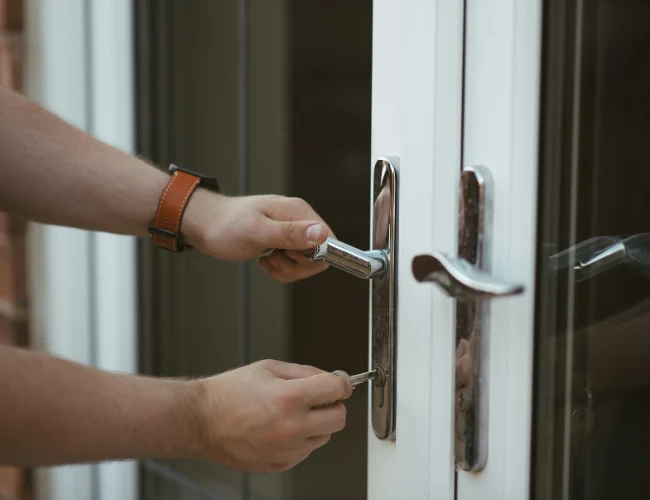

Start by completing the 'Get a Free Quote' form on our website to share your Lock Repairs needs with us.

Next, we'll arrange a property visit at a time that works for you to provide an in-person estimate for your Lock Repairs needs.

After you approve our estimate, we'll schedule a date to complete the job. Our team will work hard to exceed your expectations!
 Sean Cardwell Windows
BUSINESS
SERVICES
SERVICE AREAS
OPERATING HOURS
Sun: Closed
Mon: 8:00am - 8:00pm
Tue: 8:00am - 8:00pm
Wed: 8:00am - 8:00pm
Thu: 8:00am - 8:00pm
Fri: 8:00am - 8:00pm
Sat: 8:00am - 5:00pm