Sean and his coworker Ian were superb. They kept us in the loop from order to finish. Very amiable and highly skilled window and door fitters. We are extremely pleased with the finished result. Would highly recommend.
Jon Taylor
 Sean Cardwell Windows
Timber Windows Experts
Trusted by over 1000 happy customers, we've provided premium quality windows to the South West for more than 28 years!
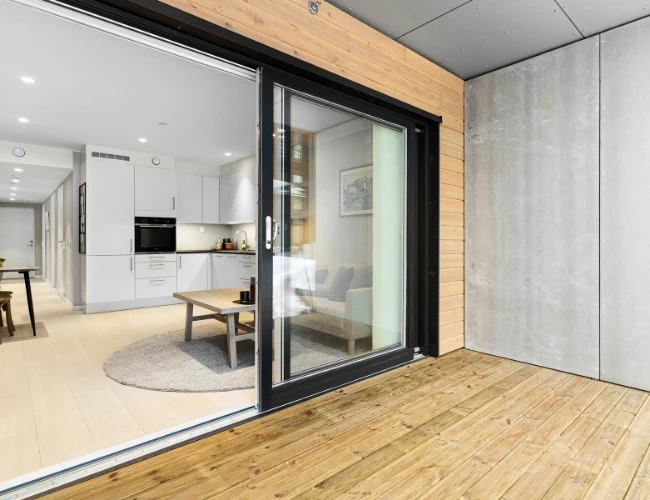
Timber windows carry a warmth and authenticity that other frame materials struggle to replicate, which is why they remain popular on period and character properties where maintaining original proportions matters. Modern timber window systems are typically manufactured from engineered or laminated softwood and hardwood sections, treated and factory-finished to improve resistance to swelling, warping and rot compared with older, untreated timber frames of decades past.
Glazing in timber frames can be specified to match the performance expected of any other modern window, including double glazing with low-emissivity coatings for thermal efficiency, or acoustic glass where noise reduction is a priority. Because timber sections can be slimmer in profile than some alternatives while still accommodating traditional glazing bar patterns, timber windows are often chosen specifically to replicate historic joinery details such as astragal bars or box sash arrangements.
Security on timber windows is generally achieved with the same multi-point locking systems used across other materials, concealed neatly within the frame to preserve the traditional aesthetic. Homeowners in Highbridge and across the wider South West often choose timber specifically for conservation areas or character homes where matching the existing architectural style is important.
For homeowners restoring a period property more broadly, it's often worth discussing frame repairs for sections that may not need full replacement, or exploring matching general doors so that new joinery is consistent with the existing timber window style throughout the house.
Timber window design involves the depth and shape of the frame as well as the glazing pattern. A sash window and a casement can both suit older homes, but their opening action and proportions differ. Look at nearby original examples where they survive, and record details such as glazing bars and the meeting rail before discussing replacements. In a protected building, a visually similar design may still require consent because materials and construction details can matter as much as the overall appearance.
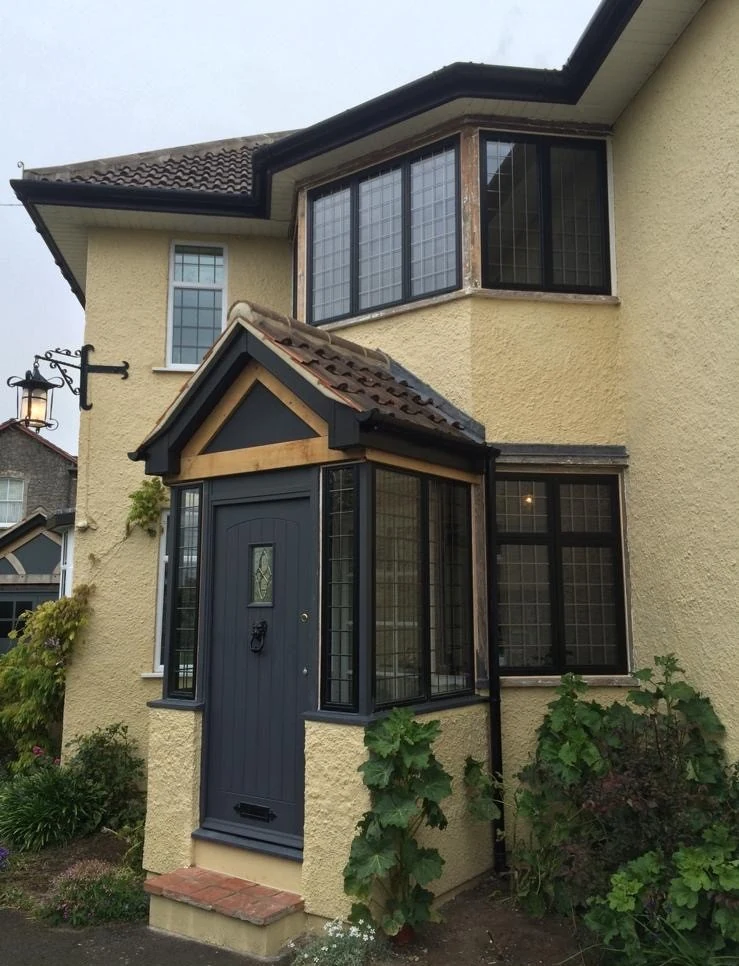
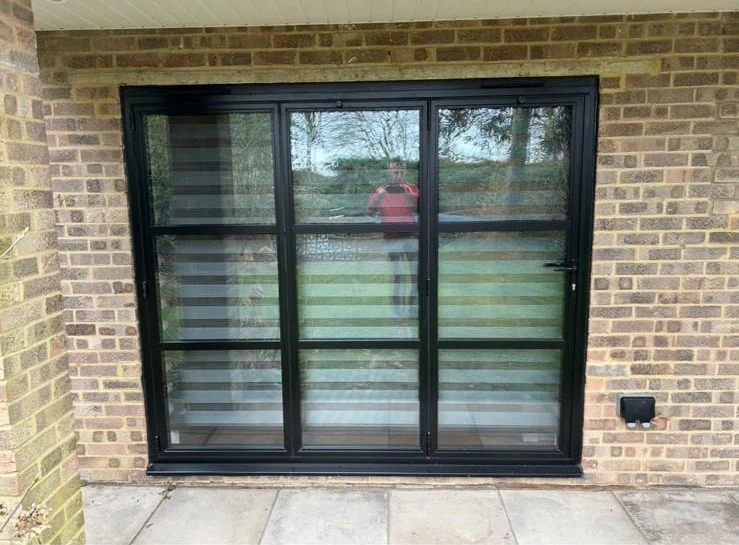
Timber is the natural choice for owners of listed buildings, conservation area properties, or older homes where planning considerations often require a traditional appearance to be maintained. Beyond regulatory requirements, many homeowners simply prefer the authentic look and feel of real wood, valuing the way it ages and the craftsmanship visible in traditional joinery details that uPVC or aluminium can only approximate.
Timber also appeals to those undertaking a sympathetic renovation of a period cottage or townhouse, where matching new windows to existing surviving originals elsewhere in the property is important for a cohesive finish. Homeowners across Bristol with Georgian or Victorian terraces frequently choose timber for this reason, particularly where a streetscape of similar properties shares a consistent window style.
That said, timber does require a degree of ongoing commitment that uPVC or aluminium don't, so it tends to suit homeowners who are comfortable with periodic maintenance in exchange for the character and repairability that timber offers over its lifetime.
Consider how you want to maintain the finish over time. Painted frames can complement exterior colours, while a visible timber finish places greater emphasis on the grain. Both need inspection, particularly around lower rails, joints and areas where rainwater settles. Maintenance intervals depend on exposure and the coating rather than a universal timetable. Asking what products are compatible with the chosen finish is more useful than assuming any exterior paint will perform equally well.
If timber is one of several options you are weighing up, our window materials guide covers uPVC and aluminium too.
Replacing timber windows in an older home? Check the building regulations guide for replacement windows first.
Timber window installation begins with a careful survey of each opening, since older properties often have slightly irregular reveals that need to be accounted for when manufacturing bespoke frames. Once the new timber windows arrive, the existing frames are removed with care, particularly in period properties where surrounding plasterwork or decorative mouldings need to be protected during the process.
The new frame is fitted, levelled and secured, with appropriate sealants used around the perimeter to maintain a weathertight finish while allowing the timber to perform as intended. Ironmongery and glazing are fitted last, and each window is tested for smooth operation before any external finishing, such as painting touch-ups around the frame edge, is completed.
Timber installations in character properties around Yatton can sometimes take a little longer than standard uPVC replacements, particularly where bespoke sizing or matching existing glazing bar patterns is involved, so it's worth allowing extra time in the schedule for these more detailed projects.
Compare the proposed joinery with the existing reveal depth and sill arrangement, not just the front view. A timber window should be discussed as a complete assembly: frame, opening sash, glazing, hardware and protective finish. Keep written details of the chosen coating so later maintenance uses compatible products. If the house has heritage restrictions, approval should cover the actual design before an order is placed. Related double glazing options can be considered within the permitted profile.
Inside the house, remember that new plaster, paint and curtains should not prevent a sash or casement moving freely. Allow wet decorating work to dry and avoid painting over seals or working hardware. Keep the installation details and finish information together for future care. Where an older frame has local deterioration, assess its condition before deciding on complete replacement: isolated damage, extensive decay and an unsuitable opening mechanism are different issues and may need different approaches.
Timber is often the preferred material for listed or conservation area properties because it can replicate traditional joinery details closely, though any specific planning permissions should always be checked beforehand.
This depends on the finish applied and the exposure of the elevation, with south and west-facing windows generally needing attention sooner than more sheltered sides of a property.
Modern timber frames fitted with double or triple glazing and good seals can perform comparably to other materials, though the specific glazing specification chosen makes the biggest difference.
In many cases sections of a timber frame can be repaired rather than fully replaced, particularly where damage is localised, though the extent of any rot or structural movement needs assessing first.
Yes, timber frames can be fitted with the same multi-point locking mechanisms used in other materials, concealed within the joinery to preserve the traditional look.
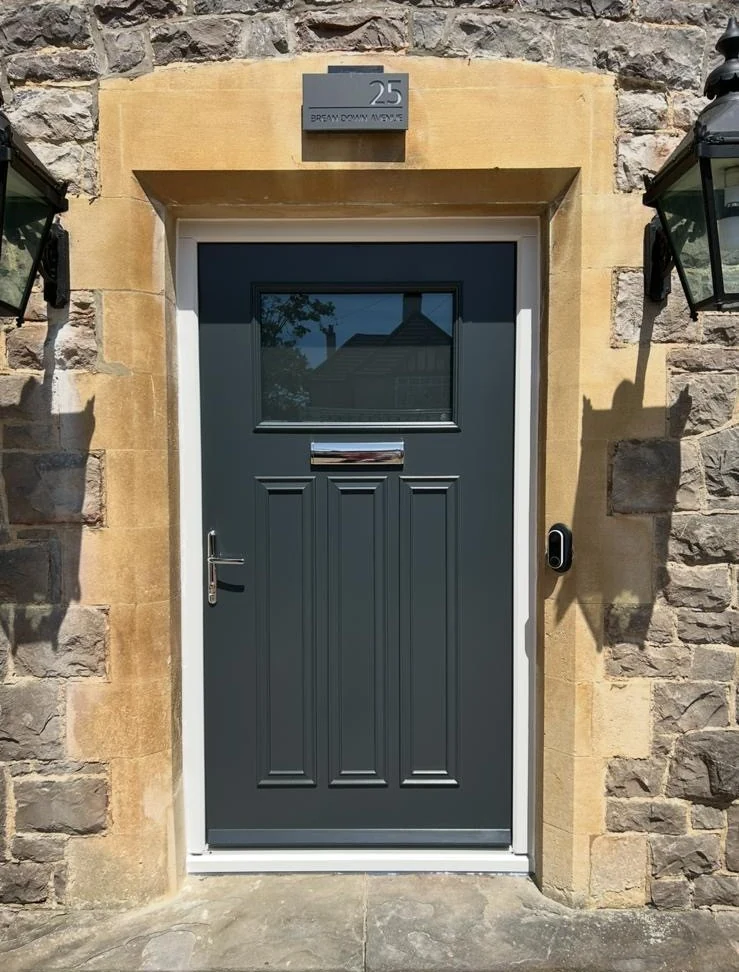

Start by completing the 'Get a Free Quote' form on our website to share your Timber Windows needs with us.

Next, we'll arrange a property visit at a time that works for you to provide an in-person estimate for your Timber Windows needs.

After you approve our estimate, we'll schedule a date to complete the job. Our team will work hard to exceed your expectations!
 Sean Cardwell Windows
BUSINESS
SERVICES
SERVICE AREAS
OPERATING HOURS
Sun: Closed
Mon: 8:00am - 8:00pm
Tue: 8:00am - 8:00pm
Wed: 8:00am - 8:00pm
Thu: 8:00am - 8:00pm
Fri: 8:00am - 8:00pm
Sat: 8:00am - 5:00pm