
Secondary Glazing
Secondary glazing is a separate, slim glazed panel fitted on the room side of an existing window. The original window stays in place, untouched from outside, while the new panel adds a second barrier against heat loss, draughts and noise. It is widely used where replacing the original window is not allowed or not wanted, especially on listed buildings and in conservation areas. Sean Cardwell Windows is based in Weston-super-Mare, and this page explains secondary glazing generally so you can decide whether to ask about it.
What is secondary glazing?
A secondary glazing unit is a frame, often slim aluminium, holding a single pane or sealed unit and fixed to the inside of the window reveal. The panel can be fixed, hinged, lift-out or sliding, so you can still open the original window for ventilation and cleaning. The gap between the two layers of glass is what improves the insulation and sound reduction, and the size of that gap affects how well it works for each purpose.
Listed buildings and heritage windows
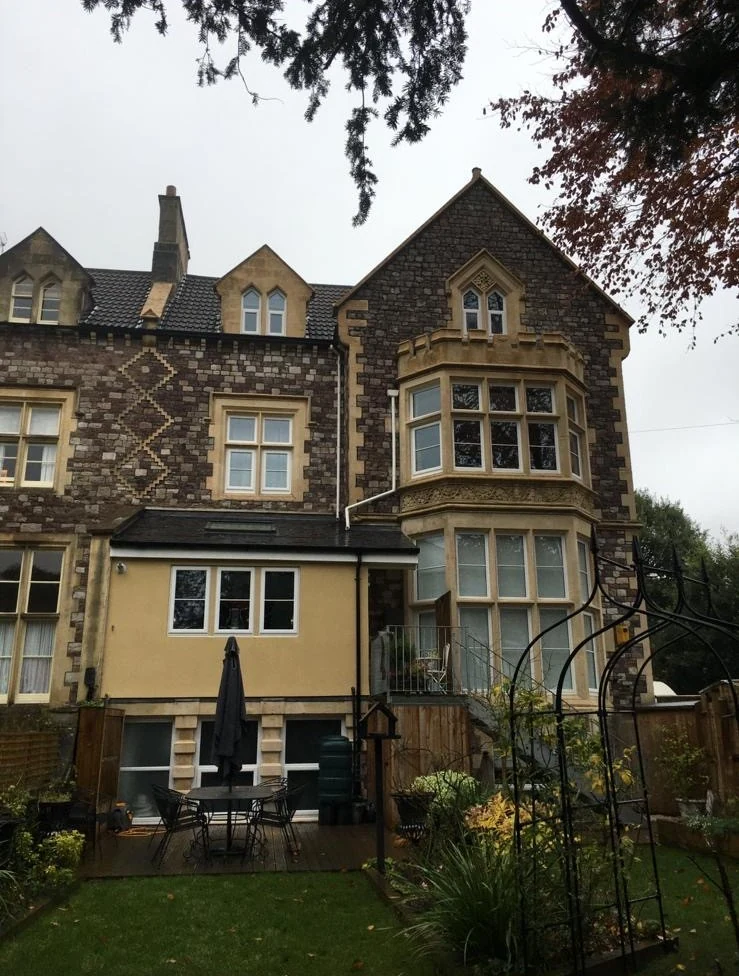
Many period homes have original timber sash or casement windows that contribute to the character of the street. Where a building is listed or in a conservation area, replacing those windows may need consent and may be refused. Secondary glazing is usually seen as a reversible addition because it does not alter the original window, though you should always check with the local council's conservation officer first. It allows owners to keep sash windows and timber windows in place while making rooms more comfortable.
Secondary glazing for noise
On busy roads, near railways or close to nightlife, noise often matters more than heat. Secondary glazing can be very effective at reducing outside noise, especially when there is a wider gap between the original and secondary pane and when thicker or acoustic laminated glass is used. A good seal around the panel is essential, since sound travels through any gap.
Double glazing vs secondary glazing
Double glazing replaces the whole window with a new frame and a sealed unit of two panes. It changes the outside appearance, typically gives better overall thermal performance and avoids an extra panel to open. Secondary glazing keeps the original window and adds a layer inside. It is less disruptive, generally reversible and often the only practical option on protected buildings, but you have two windows to open and clean. For a broader comparison of glazing layers, read our double vs triple glazing guide.
Looking after secondary glazing
Secondary panels need little care beyond cleaning both sides of the glass and the tracks or hinges now and then. Opening the panel occasionally to air the cavity helps avoid trapped condensation between the two layers.
Is it right for your home?
Secondary glazing makes most sense where the original windows must stay, where noise is the main concern or where a full replacement is not possible right now. Where replacement is allowed, our double glazing page explains new windows instead. Send photos of the windows and tell us what you hope to improve via the quote form, and we can talk through whether this is something we can help with.
Relevant services
Get Free QuoteFrequently asked questions
What is secondary glazing?
It is a separate glazed panel fitted inside an existing window. The original window stays in place and the extra layer reduces draughts, heat loss and noise.
Does secondary glazing need permission on a listed building?
It is often treated as a reversible addition, but rules vary, so check with your council's conservation officer before any work is planned.
Is secondary glazing good for reducing traffic noise?
It can be very effective, particularly with a wider gap between panes and acoustic laminated glass, as long as the panel is well sealed.
Can I still open my sash windows with secondary glazing?
Yes. Hinged, sliding or lift-out secondary panels let you reach and open the original window when needed.