
Sash Windows in Weston-super-Mare
Sash windows are the tall, vertically sliding windows seen on many older terraces and period houses. Rather than swinging open on hinges, one or both panes slide up and down within the frame. Sean Cardwell Windows can advise on replacement sash-style windows from Weston-super-Mare, and this page sets out how they work and what to think about before choosing them.
If you are still deciding between window styles in general, our double glazing page gives the wider picture. Here we look only at vertical sliders.
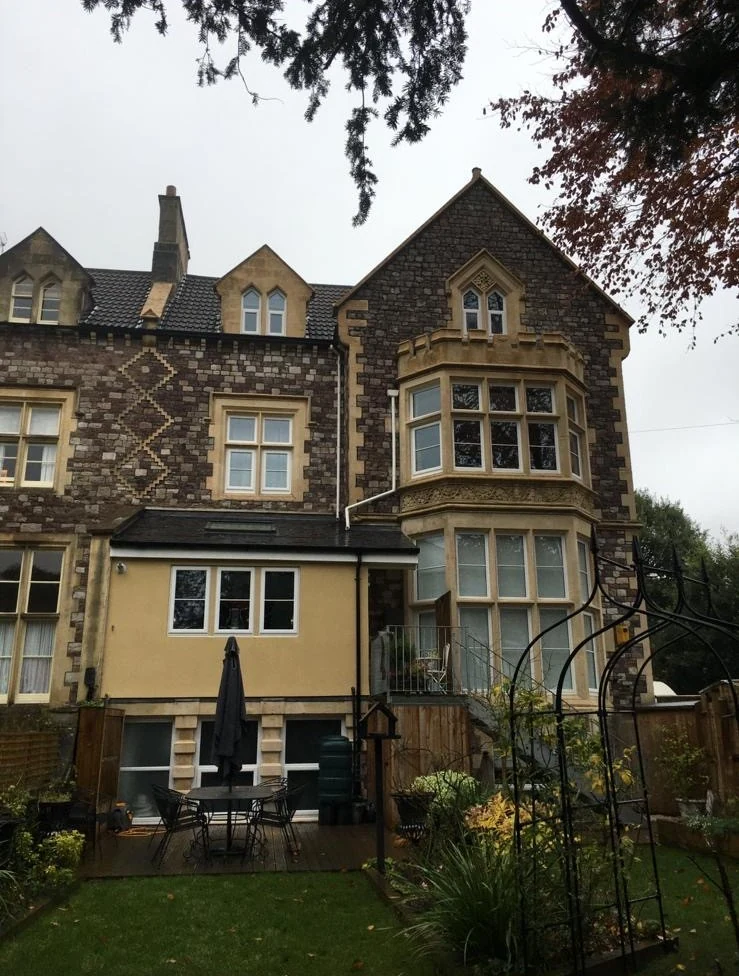
How a sash window works
A traditional box sash hides weights and cords inside the frame to counterbalance the moving panes. Modern replacements usually use spring balances instead, which hold the sash in position wherever it is left. A double hung design lets both the top and bottom sashes move, so you can open the top for gentle ventilation while keeping the lower pane closed. Many modern units also tilt inwards so the outside of the glass can be cleaned from the room.
uPVC, timber-look and aluminium sash windows
Replacement vertical sliding windows are commonly made in uPVC, often with a woodgrain foil and slimmer details intended to echo traditional joinery. Features such as run-through horns, deeper bottom rails and decorative glazing bars help the window sit comfortably on an older elevation. Aluminium sash windows are also available from some manufacturers, while timber remains an option where the building or its setting calls for it.
The aim is a window that looks right from the street and is easier to live with day to day. Before ordering, it is sensible to compare samples or drawings of the frame and meeting rail so you can see how chunky the sections will be.
Things to check before replacing sash windows
Older properties can have uneven openings, decorative stone or render surrounds and original internal linings. A survey looks at these details, along with whether any window acts as a fire escape route and how much opening is needed for ventilation. If your home is listed or in a conservation area, there may be restrictions on changing windows, so check with the local planning authority before committing.
Think about how you will use each window. In a bedroom you may want a restrictor and a secure catch; in a kitchen, easy operation over a worktop matters. Glass options such as obscure panes for bathrooms can usually be specified sash by sash.
Draught-proofing is another consideration. Older sliding windows often rattle and leak air around the meeting rails, and a modern replacement uses brush or bulb seals to close those gaps. If you like the original character of your windows but not the draughts, mention this at the survey so we can explain how a new frame compares with what you have now.
Arranging a survey
Sash-style windows are made to measure, so a visit to take accurate sizes is the starting point. We will talk through the frame material, finish, opening arrangement and glass, then confirm what is included in writing. Our window replacement cost guide explains the factors that shape the price, and you can request a free quote at any time.
Relevant services
Get Free QuoteFrequently asked questions
How much do sash windows cost?
It depends on the number and size of windows, the frame material and finish, whether both sashes open, the glass specification and the condition of the openings. A survey lets us give a written quote for your home.
What is the difference between a sash and a casement window?
A sash slides vertically within its frame, while a casement opens outwards on hinges like a door. Sashes suit many older and period houses; casements are common on more modern homes.
Can uPVC sash windows look traditional?
Woodgrain finishes, horns, glazing bars and slim meeting rails can give uPVC sliders a more traditional appearance. Viewing a sample is the best way to judge whether the look suits your property.