
Patio Door Repair
A sliding patio door should glide with one hand and lock with a simple lift or turn. When it starts to grind, jump off its track or refuse to latch, it quickly becomes the door nobody wants to use. Sean Cardwell Windows carries out patio door repair on sliding uPVC and aluminium doors from our Weston-super-Mare base. This page covers the rollers, tracks and locks that cause most problems, and when replacing the door may be more sensible.
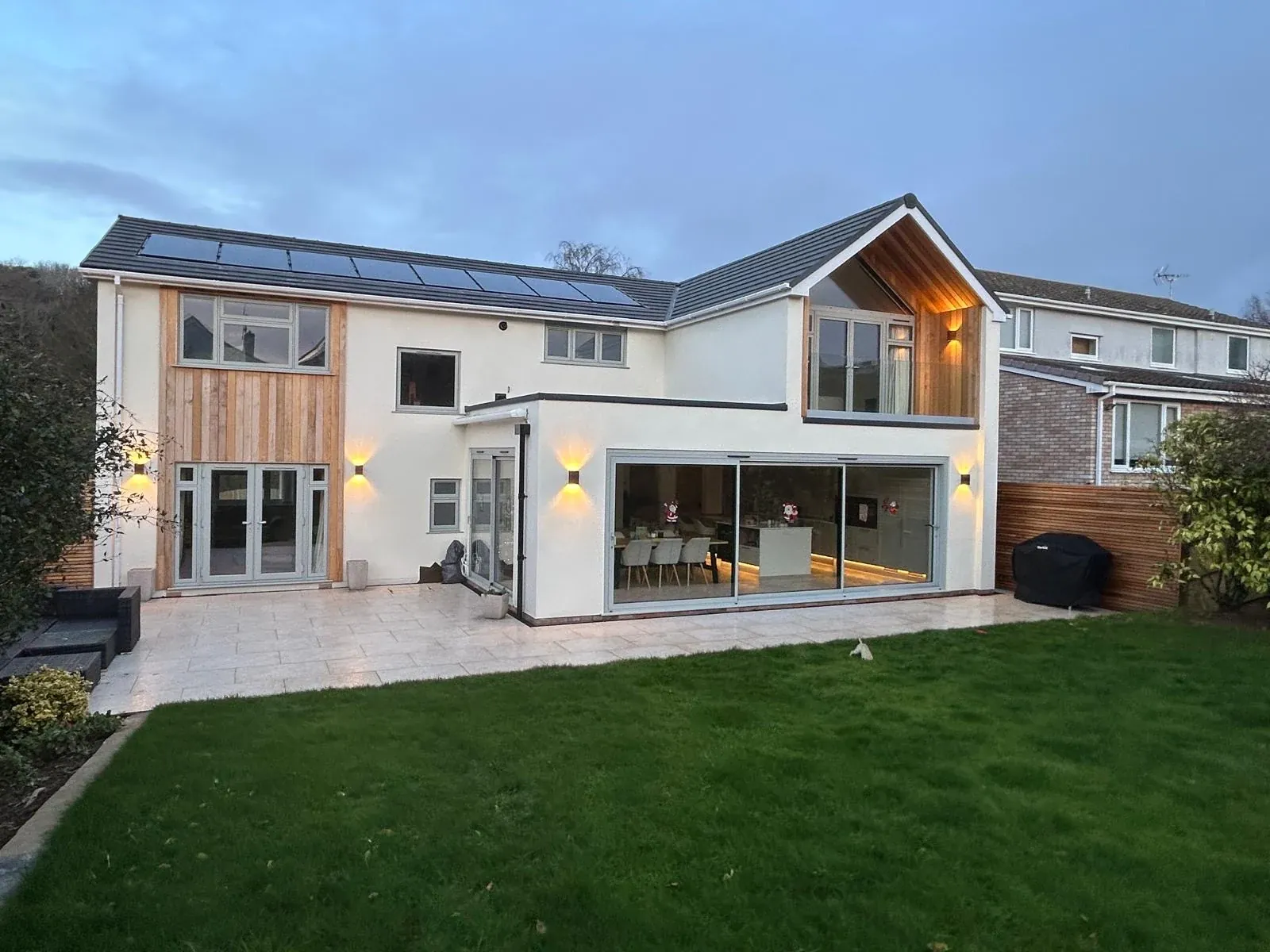
Patio door roller replacement
Each sliding panel sits on rollers, small wheels set into the bottom of the sash. Over years of use the wheels wear flat, their bearings seize or the housings crack, and the door begins to drag or rumble. Patio door roller replacement means lifting the sliding panel out, fitting matched rollers and adjusting the height so the panel runs level. Because the panels are heavy, this is a two-person job and is best left to a fitter.
Tracks and patio doors jammed
Patio doors jammed part way are often a track problem rather than a roller one. Grit, leaves and building dust collect in the bottom channel and stop the wheels running, while a dented or worn track can make the panel jump. Clearing the track with a vacuum and a soft brush is a sensible first step you can do yourself. If the door still sticks, the track may need repair or the panel may need lifting and resetting. Never force a jammed panel, as it can come off its rollers.
Patio door lock replacement
Sliding doors use their own style of multipoint lock, with hooks that swing into keeps on the frame. If the handle will not move, the key turns without locking, or the door can be pulled open while locked, the lock or its keeps need attention. Patio door lock replacement involves matching the mechanism to the door system, then setting the keeps so the hooks engage fully. Our Lock-Repairs page covers lock faults on other doors.
Repair or patio door replacement?
Most faults on a sound door can be repaired. Replacement is worth considering when the frame has distorted, parts for an older system are unavailable, or you want better glazing and a smoother modern slide. If you are weighing that up, the Patio Doors page shows the styles we fit. For folding doors with similar issues, see bifold door repairs.
Keeping a sliding door running smoothly
Simple care helps between repairs. Vacuum the bottom track every few weeks, especially in autumn when leaves blow in, and wipe the rubbing strips and seals with a damp cloth. Do not lubricate the track with oil, which collects dirt; a dry silicone spray on the rollers is gentler where the manufacturer allows. Slide the door fully open and closed now and then so the rollers do not settle in one spot.
Getting your door looked at
Tell us whether the door drags, jams or will not lock, which panel slides, and roughly how old it is. Photos of the bottom track and the lock edge are very useful. Send them through the quote form and we can talk through local patio door repairs.
Relevant services
- All double glazing repairs
- Patio doors
- Bifold door repairs
- Lock repairs
- Patio doors cost guide
- Request a free quote
Frequently asked questions
Why is my patio door so hard to slide?
Worn rollers and a dirty or damaged track are the usual causes. Cleaning the track helps; if not, the rollers may need replacing.
Can patio door rollers be replaced without a new door?
Yes. The sliding panel is lifted out, new rollers fitted and the height adjusted, leaving the frame and glass as they are.
My patio door is jammed half open. What should I do?
Avoid forcing it. Check the track for debris, and if it still will not move, ask for a repair so the panel is not lifted off its rollers.
Can a sliding door lock be replaced on its own?
Usually, provided a compatible mechanism is available for the door system. The keeps are then adjusted so the hooks engage properly.