
Timber vs uPVC Windows
Timber and uPVC can both work well, but the right choice depends on the property, the opening and what matters most to the household. Consider appearance, upkeep, ventilation, thermal performance, repair options and the expected lifespan of the complete window. Include the frame, glazing, seals and hardware in the comparison; material alone does not determine how a window performs.
Check first whether the property has planning or conservation constraints. A listed building or a home in a conservation area may have controls on replacement windows, materials, profiles or external appearance. Timber may be expected in some contexts, but it is not automatically required or automatically approved. Likewise, uPVC is not always prohibited. Seek advice from the local planning authority or a conservation professional before ordering.
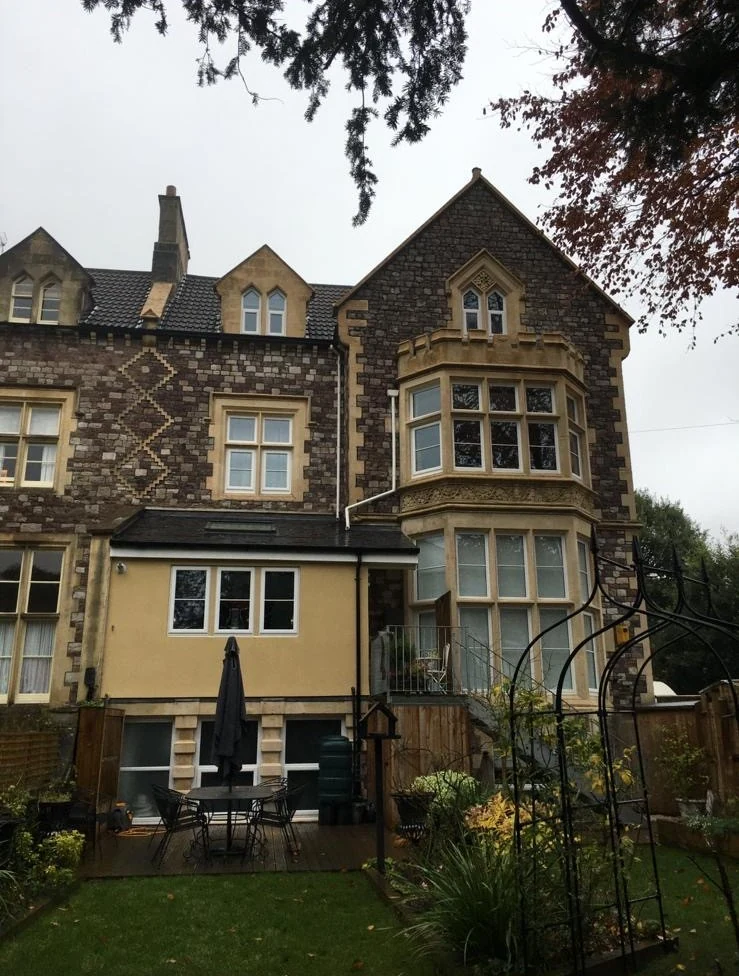
Appearance and design choices
Timber offers a natural grain and can be painted in a wide range of colours. It suits many traditional designs, and its profiles can be made to reflect established architectural details. The finish will weather and may need preparation and repainting at intervals, depending on exposure, coating and care. Some homeowners value the ability to refresh the colour or repair localised damage.
uPVC frames are available in different colours, finishes and styles, including designs intended to echo traditional joinery. The appearance varies between products, so inspect samples or completed installations rather than assuming every frame looks alike. Compare frame sightlines, sash proportions, glazing bars and opening furniture with the existing house. A profile that looks balanced in a brochure may feel different when viewed across a full elevation.
Upkeep, durability and repair
Timber typically needs periodic checks for coating wear, open joints or moisture exposure. Prompt maintenance can help protect the frame. If paint begins to fail, preparation and redecoration may be needed; the timing depends on the product, exposure and maintenance regime. Damage may sometimes be repaired locally, although the feasibility depends on its extent and the window’s construction.
uPVC generally avoids routine painting, but it is not maintenance-free. Frames need cleaning, drainage routes should remain clear, and hinges, handles, locks and seals can require attention. A worn part may be replaceable, but availability depends on the system and age. Ask how the window can be serviced and whether hardware or glazing can be changed without replacing the whole frame. Compare the maintenance instructions supplied for the specific products.
Comfort, glazing and energy performance
A well-chosen window can help reduce unwanted draughts and heat loss, but performance depends on the complete installation. Glazing specification, seals, frame design, ventilation provision and installation quality all play a part. Ask for comparable performance information for the exact configurations under consideration, rather than assuming one frame material always insulates better. The condition of surrounding walls and existing openings can also influence comfort.
Think about how the room is used. Opening style, safety restrictors, ease of cleaning, background ventilation and escape requirements may matter as much as frame material. Discuss whether existing openings can be retained or adapted and how the perimeter will be sealed. A window that is difficult to operate or leaves ventilation needs unmet may not be the best choice, even if its headline thermal specification appears attractive.
Cost, lifetime value and final checks
Compare full quotations on the same basis: survey, frame style, glazing, hardware, finish, removal, making good, disposal and any special access. Timber may involve more ongoing coating care; uPVC may reduce that particular task. Neither point alone predicts total lifetime cost, which also depends on the product, upkeep, repairs and how long it remains suitable for the home. Request written details and avoid relying on an unsupported promise of lifespan.
Before deciding, ask to see the actual finish, confirm colour and profile, and clarify who will handle required permissions and building-regulation compliance. Replacement windows in England may need to meet applicable rules and be registered or certified through an appropriate route. Keep product and installation paperwork. If the property is historically sensitive, discuss options early; where matching the existing character is important, a carefully specified timber window may be appropriate, but permission is a separate question.
Relevant services
Need it sorted? Book a window consultation
- Timber window options
- uPVC window options
- Compare window frame materials
- Discuss window choices
- Flush casement window styles
Frequently asked questions
Are timber windows always better for period homes?
Not automatically. Timber can suit traditional detailing, but the appropriate design depends on the building and any planning controls. Check local requirements before selecting a material or profile.
Do uPVC windows need no maintenance?
They usually do not need repainting, but frames need cleaning and moving parts, seals and drainage paths still require periodic checks and care.
Which is warmer, timber or uPVC?
There is no reliable answer from the frame material alone. Compare documented performance for the complete window, including glazing, seals and installation.
Can I replace timber windows with uPVC in a conservation area?
Possibly in some cases, but it is not something to assume. Permission and design requirements vary by property and location; check with the local planning authority before ordering.