
Signs Your Windows Need Replacing
An uncomfortable room can have several causes. Before blaming its windows, note which openings are affected, when the problem occurs and whether it changes with wind or rainfall. A single sticking handle is different from a line of distorted frames. Photographs and a brief record of symptoms are useful when requesting an assessment, especially if a leak only appears in certain weather. Do not climb outside or dismantle glazing to investigate. The aim is to describe the trouble clearly, not diagnose every detail yourself or commit to replacement before knowing what has failed.
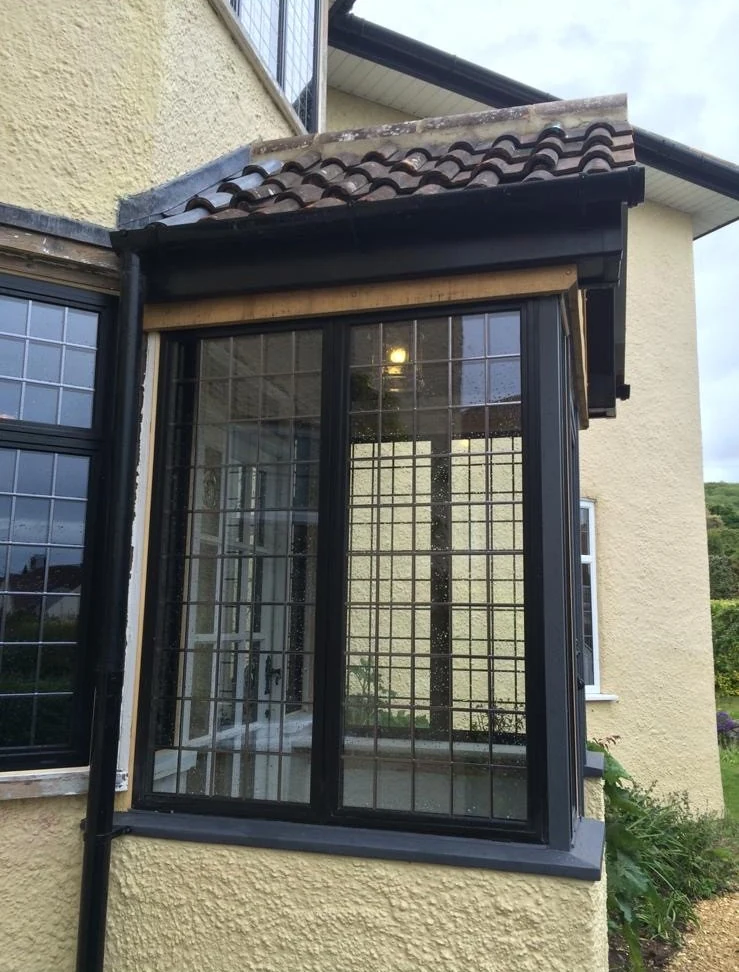
Draughts around a closed sash
Check accessible edges with your hand, or hold a light piece of tissue near the joint to see whether air movement is present. Avoid candles or other naked flames near curtains and window coverings. Air can enter through worn gaskets, an opening sash that no longer sits evenly, or the junction between the outer frame and wall. Each source needs a different response. A functioning trickle vent is not the same as an unintended gap. Replacing a worn seal or adjusting suitable hardware may resolve a local fault; a badly distorted assembly needs a broader assessment. Explain whether the draught is continuous or only noticeable in gusts.
Where the condensation sits
Moisture on the room-facing surface can result from humid indoor air meeting cold glass. Ventilation, heating patterns and moisture sources deserve attention in that case. Fog inside the sealed cavity between panes points to a different issue: the glazing unit’s edge seal may have failed. Cleaning either accessible face cannot reach that cavity. Importantly, a failed glass unit does not establish that the surrounding frame is beyond use. If the frame is sound and suitable, exchanging the sealed unit may be possible. Note the location of droplets carefully before deciding that all condensation means a complete window replacement.
Timber decay and changing frame shape
Flaking paint, exposed joints and areas where water collects can indicate that a timber frame needs attention. Softened or crumbling sections warrant inspection, particularly where fittings depend on solid timber for support. Do not assume surface discolouration alone proves extensive rot, and avoid pushing sharp tools into uncertain areas. Plastic or metal frames do not decay in the same way, but movement, damage or inadequate support can still affect alignment. Look for a sash rubbing against one side, an uneven closing gap or a frame that appears bowed. Those observations help distinguish a local repair from an assembly that no longer has a serviceable shape.
Hardware that resists normal use
A handle should not need repeated slamming, levering or force to operate. Worn hinges, a loose fitting or an adjustment problem may be repairable without changing the whole window. A faulty lock can affect security and should not be left simply because the glass looks fine. If an opening required for emergency escape cannot be used properly, seek appropriate help promptly. Keep children away from unstable fittings and do not leave a sash unsupported. Ask whether the hardware can be repaired or replaced and whether the surrounding frame remains capable of supporting it. Recurrent trouble after adjustments deserves another look at the underlying alignment.
Noise, heating and the rest of the house
Increased road noise may reveal gaps around an opening, but sound can travel through vents, walls and other paths too. Similarly, a rising heating bill may reflect tariffs, weather or changes in occupancy rather than window deterioration alone. Compare comfort and operation alongside the bill, not instead of inspecting them. A cold patch at the reveal might involve the wall junction, while the glazing itself is intact. Useful questions concern where heat or sound appears to pass through and what evidence supports a proposed remedy. Replacement may improve performance, but it should not be presented as a cure for every source of discomfort.
Choosing a proportionate response
Repair tends to make sense when the fault is identifiable and the remaining components are suitable for continued use. Full replacement becomes more relevant where deterioration is widespread, the frame has lost its shape or several interconnected faults make piecemeal work impractical. Compare the scope of each proposal: exchanging glass, repairing a frame and renewing an entire assembly are different jobs. Ask what is causing the symptom and what the proposed work will leave untouched. A careful decision considers safe operation, remaining condition and the finish around the opening, rather than automatically selecting the largest intervention. Keep the assessment and agreed work in writing for clarity.
Check the surroundings before deciding
Staining below a sill does not always originate in the glass or sash. Rain may enter through a neighbouring wall defect, a roof junction or a damaged external seal, then appear at the window reveal. Tell the person assessing the opening about recent building work and any changes in where the stain appears. Indoors, move curtains aside safely and look for a pattern without pulling off trim or disturbing finishes. A clear photograph of the whole wall can provide context that a close-up misses. Do not cover recurring damp with decoration until its source is understood. Where an assessment suggests another building element is responsible, ask which part needs investigating first. This prevents replacing a serviceable window while leaving the actual route for moisture untouched.
Relevant services
Get Free QuoteFrequently asked questions
How do I describe an intermittent leak usefully?
Record the affected opening, weather direction and visible point of entry. Photos taken safely indoors can help when water is absent during the eventual visit.
Should a stiff handle be forced until somebody can inspect it?
No. Excess force can worsen damaged hardware or alignment. Seek advice and keep an unstable opening safe while waiting for an appropriate repair.
Does higher energy use prove that my frames have failed?
It does not. Weather, heating controls and other parts of the building also matter. Combine bills with specific symptoms and an assessment of the openings.
What question separates a repair proposal from a replacement proposal?
Ask which component has failed, why the recommended remedy addresses it, and what condition the parts left in place are in. That makes the scope easier to compare.